You are here:Home » News » The Truth About Tile Leveling Systems: When Do You Really Need Them?
The Truth About Tile Leveling Systems: When Do You Really Need Them?
Views: 0 Author: Site Editor Publish Time: 2025-12-09 Origin: Site
The Truth About Tile Leveling Systems: When Do You Really Need Them?
01 The Use of Leveling Systems in Tile Installation
During recent renovation projects, some homeowners have noticed that tilers often use tile leveling clips to secure the four corners of tiles. However, in their own home renovation, the tiler didn't use this method. The tiler explained that the tiles in their home had good flatness and didn't require tile leveling system tools. But the homeowner still had doubts. Was it because the tiles had excellent quality, or was the tiler's explanation more credible?
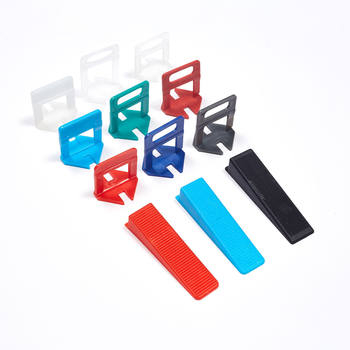
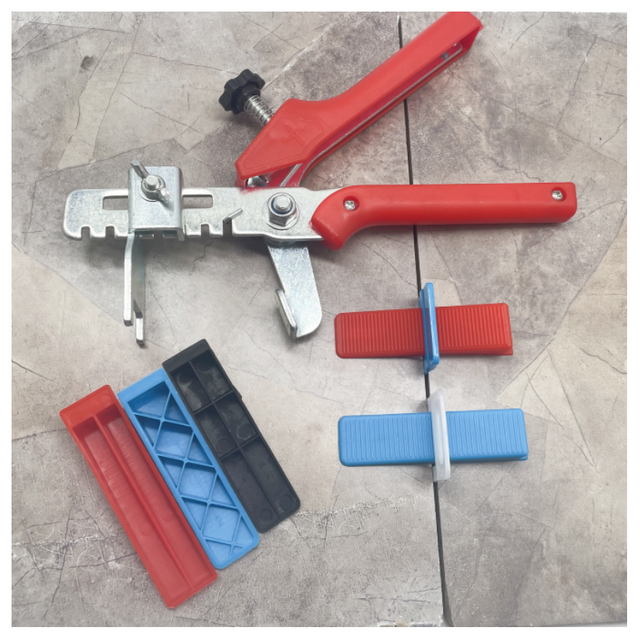
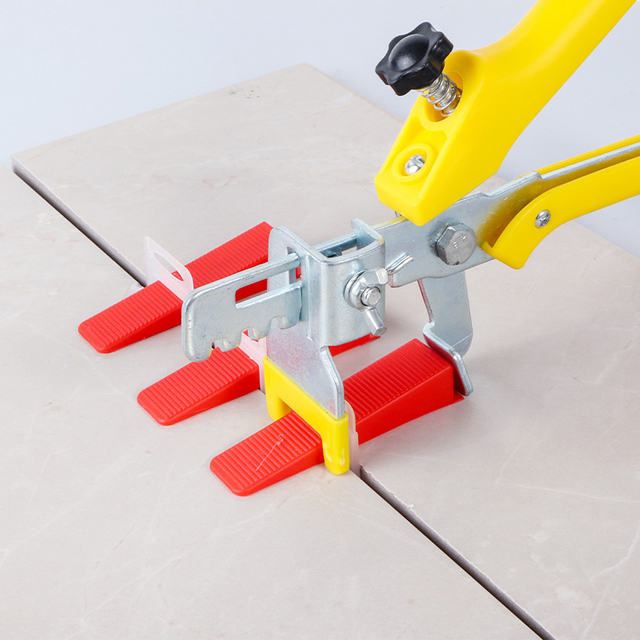
I've also witnessed such scenarios multiple times. So, are tile leveler spacers necessary for every renovation project? The answer is clearly no. Let's explore further: What's the purpose of using tile clips? Obviously, tile leveling clips become particularly important when the tiles have poor flatness. If the tiles themselves are already very flat, then using tile leveler clips becomes redundant.
I've carefully observed many tilers' workflows. Some of them inspect tiles before construction. By randomly selecting two tiles and placing them back-to-back, they can determine the tiles' flatness. This kind of inspection, which cannot be quantified by visual examination or rulers alone, actually provides important reference for whether to use tile leveling system components during installation.
▍ Flatness Requirements for Different Tiles
Which tiles require tile leveling clips during installation? By observing numerous videos, we can discover that large-format tiles, such as 600×1200 and 700×1500, and the smallest wall tile size of 400×800, all need to rely on tile leveler spacers during installation. This is because large-format tiles often have poor flatness, making it difficult to achieve ideal installation results through manual methods alone.
Large-format tiles often require tile leveling system tools due to poor flatness, while smaller tiles generally don't need tile clips because they have fewer flatness issues. Additionally, wood-pattern tiles like 150×800 and 200×1200, due to their unique textures and sizes, often require tile leveler clips to ensure flatness during installation.
However, for some smaller specification tiles, such as 300×300 and 300×600, due to their smaller size, they have relatively fewer flatness problems, so the need for tile leveling clips during installation is lower. Unless the tiles themselves have obvious flatness issues, there's usually no special need to rely on tile wedges and other leveling components.
▍ Rational Perspective on Tool Videos
It's worth noting that the internet is flooded with various installation tool videos, including tile leveling system demonstrations, tile hole positioning instruments, and vibrating tools. The publishers of these videos might be tool sellers, so the content might contain some promotional elements. When watching these videos, we need to maintain rationality and choose appropriate installation tools and methods based on actual situations.
Although some installation professionals might not be familiar with these tools yet, this doesn't mean their skills are poor. For example, some tilers might prefer using rubber hammers instead of vibrating tools - this is perfectly fine. What matters is being able to install tiles properly. The key to installation skills lies in ensuring tile installation flatness, not just relying on specific types of tools.
Key Benefits of Professional Tile Leveling Solutions:
Ensures perfect alignment of tile edges
Prevents lippage and uneven surfaces
Suitable for various tile sizes and types
Essential for large-format tile installations
Professional results made accessible
Upgrade your tile installation projects with advanced tile leveling technology!
LOGO was established in Nanjing. After years of professional research and development, sales and sales of Chain Saws, Repair Tool, Power Tools, unique service charm and market share in China's tool field.